Nilufar Ruzieva
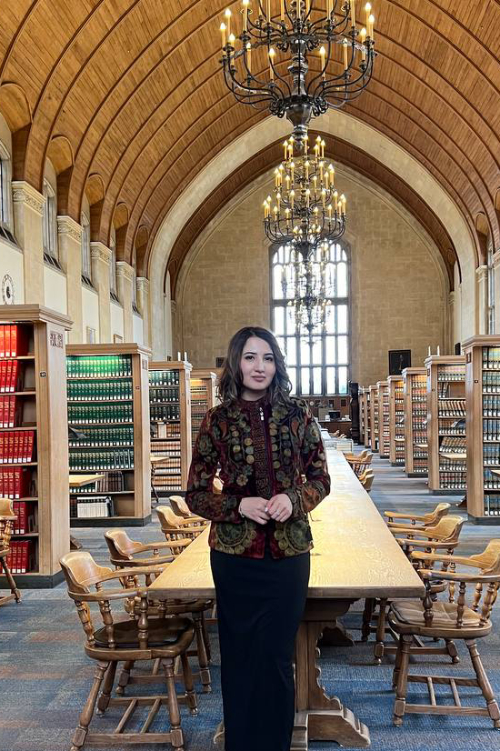
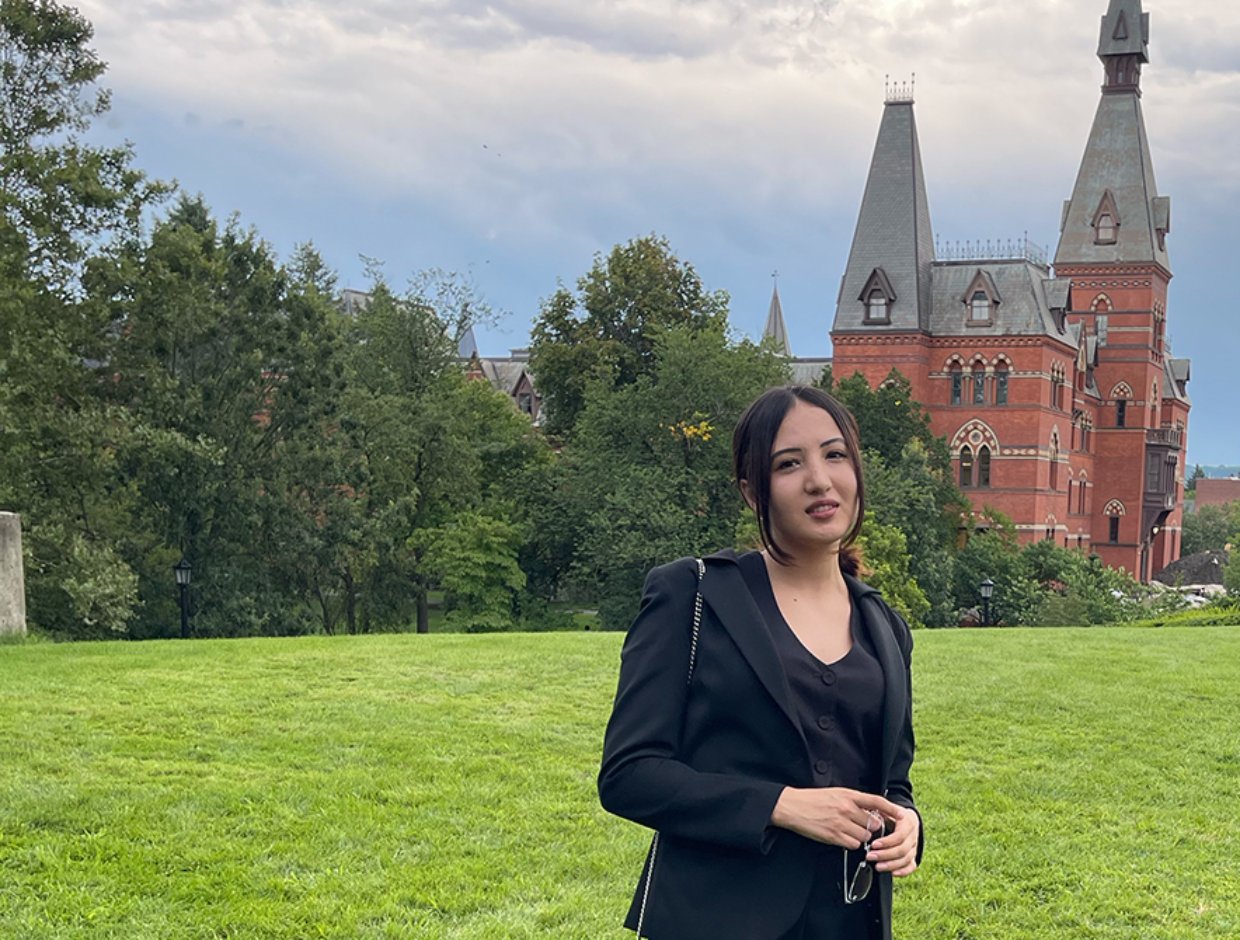
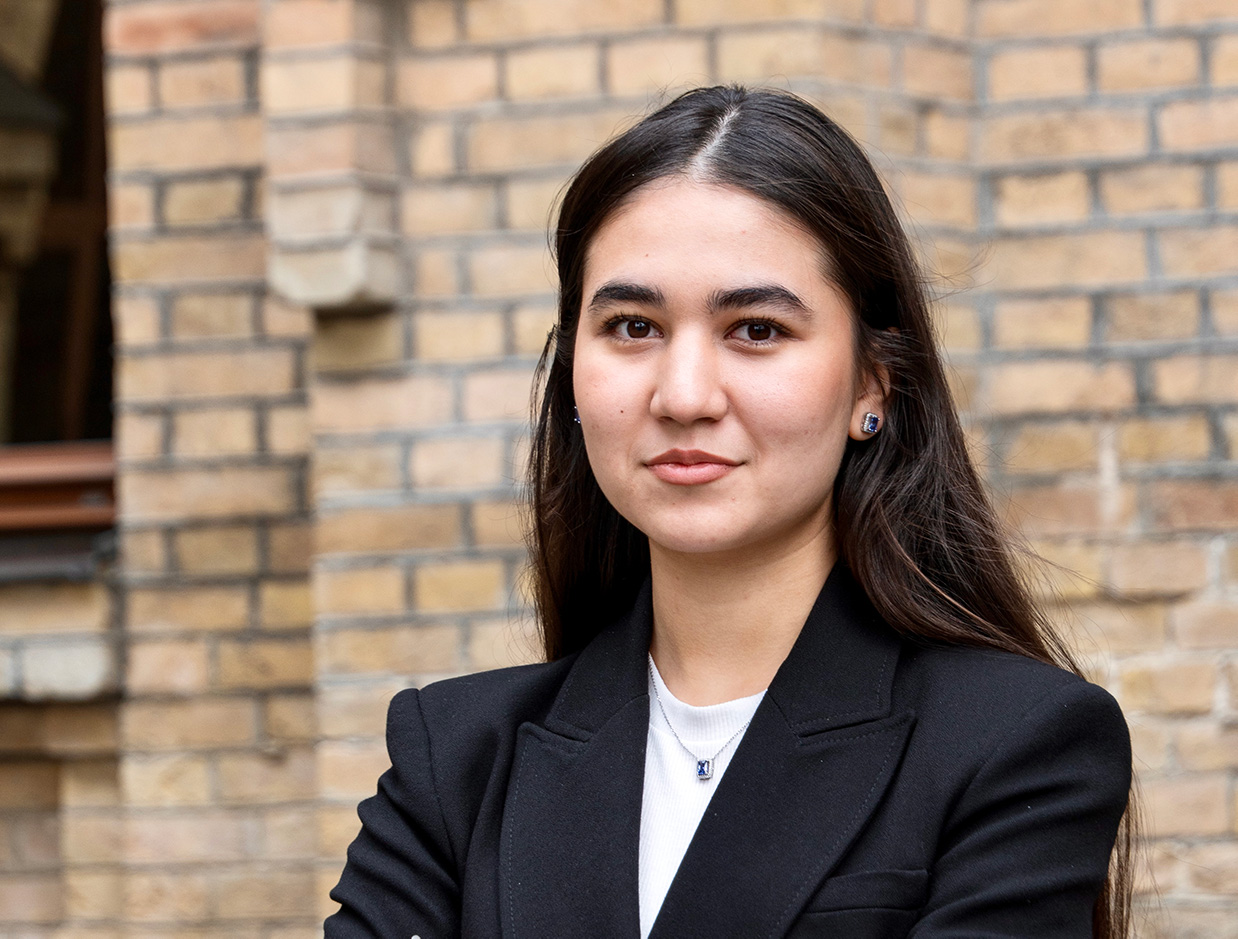
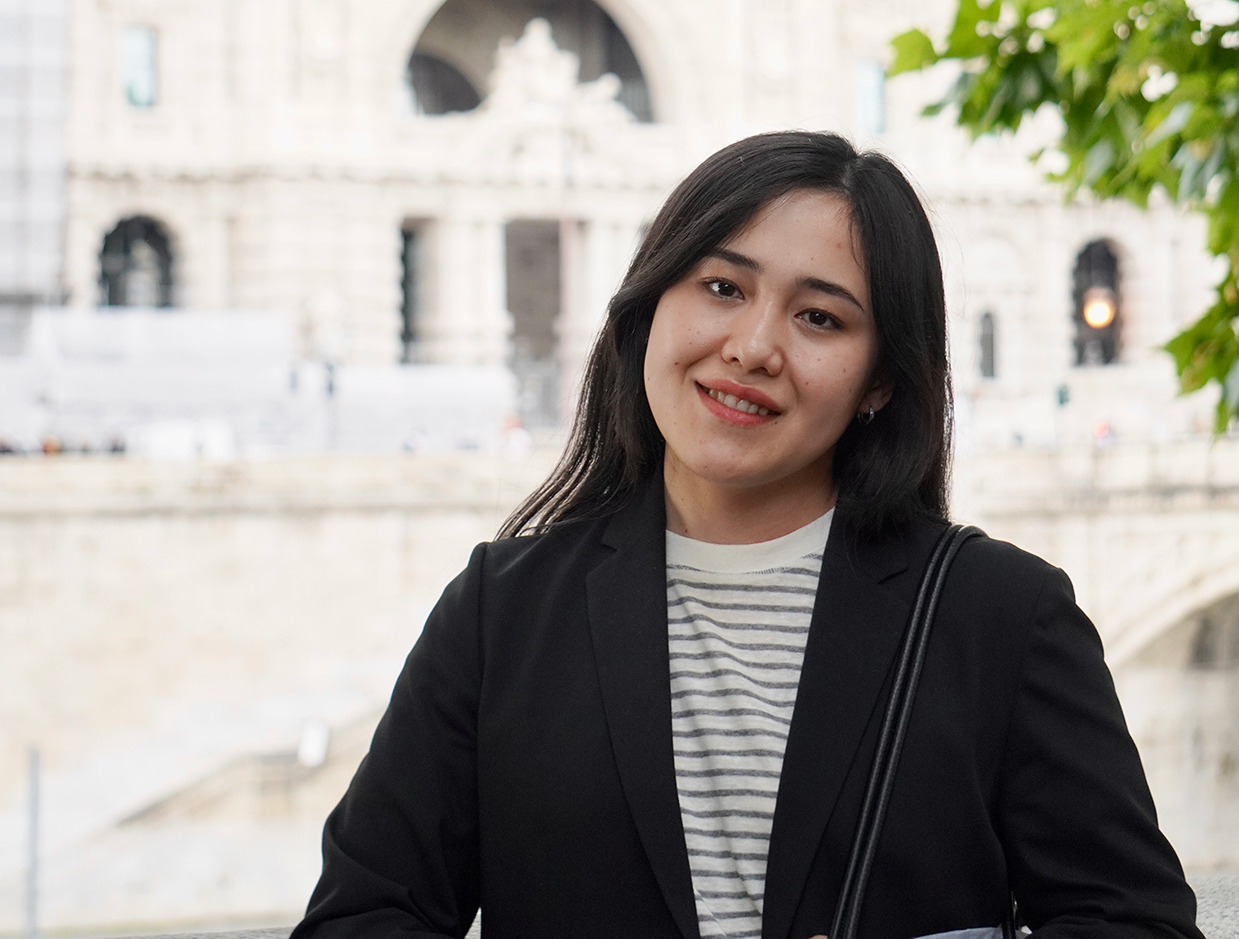
Nilufar Ruzieva is a 2018 graduate. She is currently an Associate Director at UBS in San Francisco, US, covering technology investment banking, and holds advisory roles spanning both the U.S. and Uzbekistan.
Growing up in a family of finance professionals, I was exposed early to the mechanics of capital markets and business strategy, an environment that shaped my intellectual framework and made my career direction feel less like a choice and more like a natural path. When it came to choosing a university, my criteria were straightforward: I wanted an institution that would hold me to a global standard and prepare me for my international journey. WIUT was the clear answer. As the only institution in Uzbekistan delivering a fully accredited British curriculum, it offered world-class education without requiring me to leave home.
Looking back, it wasn't just one moment — it was the cumulative experience that shaped me. Being surrounded by ambitious, curious and internationally minded peers and learning from one of the best professors in Uzbekistan (like Rauf Salokhodjaev, recognised among the top 100 young researchers in the world) raised my standards and pushed me to think bigger than I had before. WIUT pushed me to become more confident, more independent and more comfortable stepping outside my comfort zone. That courage has been the foundation of everything since.
During my time at university, I was deeply influenced by Rauf Salokhodjaev, whose emphasis on intellectual rigor and critical thinking shaped my approach to problem-solving, and by Qobiljon Yunusov, whose finance modules built the analytical foundation I use daily in investment banking.
These experiences motivated me to complete eight ACCA papers and CFA Level I during my studies, which in turn led to early opportunities, including internships at Agrobank and Lukoil and a full-time role at Ernst & Young; overall, WIUT played a defining role in shaping my skills, mindset, and career trajectory.
Following my graduation from WIUT, I began my career at EY and later joined NMMC, the largest gold mining company in Central Asia, during a period of corporate and digital transformation. As a corporate finance associate, I worked closely with leading consulting firms and bulge bracket banks on IPO preparation. That experience provided valuable insight into how large organizations navigate transformation and highlighted the critical role investment banks play in shaping strategic outcomes.
Over time, I became increasingly drawn to sectors at the forefront of global change and over the past decade, that has clearly been technology. The rapid advancement of AI has fundamentally reshaped industries, redefining how businesses operate, compete, and scale. I wanted to be part of that transformation, not watching it from the outside. That conviction led me to pursue an MBA to make the transition into technology banking. Don't wait until you feel fully ready — because that moment may never come. Early in my journey, I often felt that I needed to learn more, more experience before I could take the next step. I thought I wasn't quite good enough yet. But I've learned that the most important thing is simply to start. Start as soon as possible, reach out to people even when it feels uncomfortable, find good mentors and put yourself in challenging situations before you feel fully prepared. That is where real growth happens.
How did you prepare yourself for international opportunities like the Forte Fellowship?
I never prepared for it the way you might expect. I didn't follow a checklist or strategically build a profile for a specific scholarship. Everything happened naturally, because I was always genuinely curious, always eager to learn, always seeking out the best mentors and experiences I could find. I got it not because I had planned it, but because I had stayed true to what I cared about. My advice: it's good to have a plan, but if you follow your passion with consistency and discipline, you will arrive somewhere even better than you imagined. In hindsight, I would recommend approaching a mentor or admissions experts (Freshman Academy, Elite Scholar, others) as there are many nuances in the process that first-time applicants might not understand fully.
What advice would you give to current WIUT students who want to build a global career?
First and foremost, believe that it is possible, because it truly is. A global career starts with mindset and is then built through consistent effort and discipline. Be proactive in creating opportunities rather than waiting for them. Invest in building both technical and communication skills and complement your degree with globally recognized credentials such as CFA, ACCA, or other industry-relevant certifications. At the same time, develop fluency in emerging tools — particularly AI and automation, as the bar continues to rise across all industries.
Equally important is gaining practical experience early. In the U.S., it is common for students to complete 3-4 internships before graduating, often starting as early as their first year. This not only strengthens technical capability but also provides exposure to different industries, helping you better understand your strengths and interests.
Seek out strong mentors who can guide and challenge you. WIUT provided me with mentors who have played and continue to play a meaningful role in shaping my career. Don’t hesitate to reach out and build those relationships early.
Finally, don’t be intimidated by the distance between where you are today and where you want to be. That distance is not a barrier — it is the journey itself. Focus on consistent, incremental progress, and trust that over time, those efforts will compound into meaningful results.
Is there a quote, philosophy, or mindset you live by?
Prepare so thoroughly that luck looks inevitable. I don't believe in waiting for the right moment. I believe in creating the conditions where, when an opportunity arrives, you're already standing in the right place for it.